

| Name | Nipoon Datchani | |||
|---|---|---|---|---|
| Home University | Mahidol University | |||
| Faculty/School | Faculty of Medicine Siriraj Hospital | |||
| Program Dates | From | February 24, 2026 | To | March 19, 2026 |
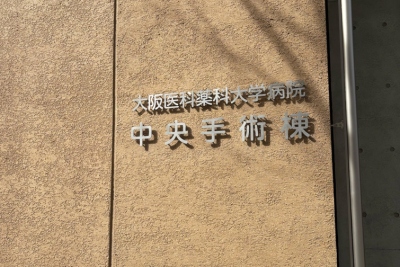
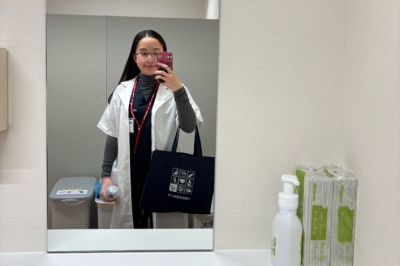
“This exchange program would be a wonderful experience for my student life!” This was my expectation for the program. As a first-time exchange student, I was looking forward to seeing many aspects of medical care, such as the operation room and outpatient departments. I am particularly interested in the Surgery department, so I wanted to see how surgery is performed in Japan. Furthermore, that is also the reason I chose the Cardiovascular surgery and Neurosurgery departments. In addition, 4th-year students in my hospital have not rotated in either of these two departments before (except for some students who have taken electives, including myself, as I previously rotated in the Cardiovascular department at Siriraj Hospital). Therefore, I was ready to receive new knowledge that I could apply to my future studies.
Department of Cardiovascular Surgery
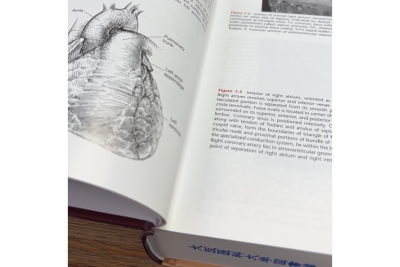
The Department of Cardiovascular Surgery was the first department I rotated in for two weeks, and I gained many experiences there. First, I had the chance to observe many heart surgeries, such as valve replacements and Coronary Artery Bypass Grafting (CABG). The most interesting surgery I saw was the Bentall operation, which is a major, long duration, and life changing surgery. Since this operation does not occur often, I was really impressed to have the chance to see it. Then, I gained a lot of knowledge about intra-operative procedures, such as anticoagulant-reversal medicine, antiseptic procedures, and mechanical valve insertion. Finally, I also had the chance to attend the outpatient clinic, where I could see various aspects of care, including pre-operation consultations, post-operation follow-ups, and non-operative treatments. And, I could see the intensive care unit for the post-operative patients too.
Department of Neurosurgery
This was the second department I rotated in, and I also had many wonderful experiences. The catheter lab was definitely the highlight. I could see many interventions, such as coil embolisation, brain angiography, and spine angiography. These minimally invasive procedures showed me the advancement of the medical field and gave me great inspiration. In addition, I could see brain and spine surgeries in the operation room, which allowed me to observe many intra-operative monitoring and investigation methods. The Intraoperative Neurophysiological Monitoring (IONM) machine is one thing I learned about; the machine can detect signals from the brain and identify any abnormal signals indicating potential damage, allowing the surgeon to reduce risks for the patient. In addition, I saw the intra-operative CT scan and the microscope that neurosurgeons use to perform operations.
As a 4th-year medical student who has had only a few experiences in these two departments (as I will officially rotate in them during my 5th year), I gained a lot of knowledge and experience from my month at this hospital, which I can apply to my work in the future. Furthermore, seeing these operations inspired me and gave me a passion for the specialist pathway after I graduate.
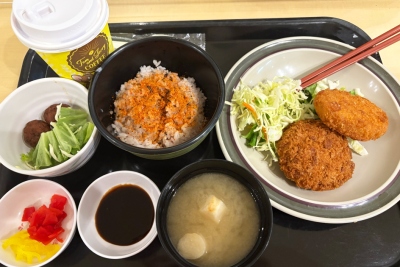
Another point that impressed me so much, apart from the academic field, was the lunch at the cafeteria. I could really feel the culture because I was able to eat Japanese food every day.
This exchange program truly gave me wonderful experiences. I did not only receive knowledge in the medical field, but I also experienced Japanese culture and met new friends. I would like to say thank you to the Global Center of Osaka Medical and Pharmaceutical University and the International Relations team of Siriraj Hospital for giving me the chance to participate in this program.